When a Rolex comes across a resale desk, its reference number may catch the eye—but it does not determine the offer on its own. Condition, originality, completeness, service records, and current demand all matter. Exactly.. Two watches of the same reference can receive noticeably different offers if one is sharp and well documented while the other has been heavily polished or has an unclear service history.
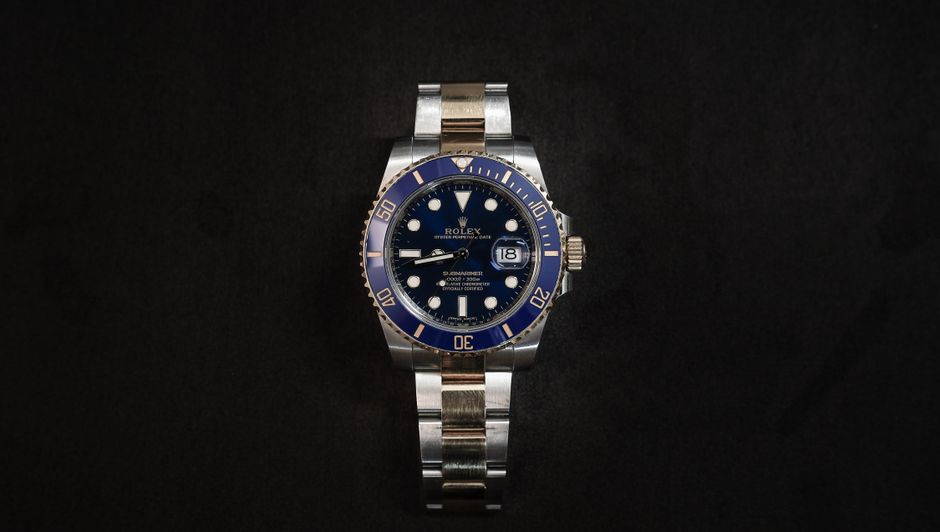
That distinction matters in 2026, as the Rolex resale market continues to recover from the correction that followed its extraordinary pandemic-era run-up. Prices have stabilized and rebounded in parts of the market, but there is no single “Rolex market price.” Values vary by model, reference, condition, seller, and venue. For owners deciding whether to sell, the practical question is not only whether the market is rising, but what makes a particular watch more attractive to the next buyer.
The biggest value drivers are usually a desirable reference, excellent original condition, a full set, and credible documentation. Timing and selling channel can also influence the result. Below is a closer look at how those factors work—and how to assess them without confusing an asking price with a completed sale.

1. Reference and demand set the starting point
Rolex resale values are reference-specific. A steel sports model with strong buyer demand may sell more readily than a less sought-after configuration, even if both watches are in excellent condition. Dial color, bezel, case size, bracelet, production period, and the exact reference can all affect demand.
Model names alone are not enough for a useful comparison. A Submariner, Daytona, GMT-Master II, Datejust, or Day-Date can each include many distinct configurations, and the market may treat them differently. For a valuation, identify the reference and serial-era details where possible, then compare the watch with examples that match in metal, dial, bracelet, age, and condition.
Desirability can shift. A configuration that was heavily chased during a boom may cool as buyers become more price-conscious. Meanwhile, a less hyped model can prove easier to sell because it has a broad, steady audience. Scarcity can support value, but rarity by itself does not guarantee a premium: buyers still need to want the watch.
2. Original condition can make a meaningful difference
Condition is one of the most visible factors at intake. Buyers and dealers look for a case and bracelet that retain their original shape, legible engravings, an intact dial and hands, and signs of sensible wear. A watch does not need to be unworn to be desirable. A naturally worn, honest example can be more appealing than one that has been cosmetically altered.
Why unpolished sharp edges matter
Collectors often value unpolished sharp edges because the crisp transitions between the case surfaces help preserve the watch’s intended profile. Repeated or aggressive polishing can soften lugs, round edges, reduce metal, and diminish engravings. Those changes may be difficult to reverse, and a buyer may discount a watch if the case appears overly refinished.
That does not mean every polish is automatically disqualifying. A careful professional refinish may be acceptable to many buyers, especially if it is disclosed and the overall shape remains strong. The key is transparency: avoid describing a watch as unpolished unless you can support that claim. An in-person inspection or clear, well-lit photographs of the case sides, lugs, clasp, and bracelet can help establish what is actually there.
Do not make cosmetic changes just before selling
It can be tempting to polish a watch or replace parts to make it look newer. But cosmetic work can reduce collector appeal if it removes original material or changes the watch’s character. Before authorizing a service or refurbishment, ask a qualified watchmaker or established dealer whether the proposed work is likely to help this specific reference. Save the estimate and any replaced parts, and disclose changes to prospective buyers.
3. A full set can improve buyer confidence
The full set premium is the added appeal a watch may have when it comes with its original box, papers, booklets, tags, and other reference-appropriate accessories. The size of any premium varies. Papers and a matching warranty card can be especially helpful for provenance, while a box can add presentation value. Not every accessory has the same importance for every buyer or model.
A full set can make a watch easier to market because it answers practical questions: What was included when it was sold? Do the documents appear consistent with the watch? Is there a history connecting the item to its original sale? Still, accessories do not prove authenticity by themselves. Boxes and papers can be separated from watches, and paperwork should be checked for consistency rather than taken at face value.
- Keep the box, documents, tags, and spare bracelet links together. Do not write on, laminate, or alter original papers. Photograph the accessories clearly, but do not publish sensitive personal information. Be candid if any item is missing, replaced, or unrelated to the watch.
If the watch is not a full set, that does not make it unsellable. A desirable reference in strong condition can still attract buyers. The goal is to present what you have accurately, not to imply that missing accessories are included.
4. Clean service history supports trust
A clean service history can reduce uncertainty for the next owner. Service invoices, estimates, warranty records, and documentation from a reputable watchmaker help show what work has been performed and when. They may also clarify whether components were replaced during service.
“Clean” does not necessarily mean frequent servicing or a long file of paperwork. It means the available records are understandable and consistent. A recent service can be reassuring, but buyers may want to know who performed it, what was done, whether the watch was refinished, and whether original parts were retained. If there are no records, say so rather than guessing about the service timeline.
Before selling, organize documents in date order and note any known issues, such as a timing concern, a damaged bracelet link, or moisture exposure. Concealing a problem can lead to a failed deal or a dispute after the sale. Clear disclosure is often better for both the sale process and your credibility.
5. Rolex resale recovery in 2026: context matters
The market’s recent timeline helps rolex consignment los angeles explain why values can feel different from one year to the next. During the pandemic-era surge, constrained supply and intense demand pushed many secondary-market Rolex prices sharply upward, particularly for popular steel sports references. The peak created expectations that proved difficult to sustain.
From 2022 onward, the market entered a broad correction. As speculative demand eased, more watches came to market, and buyers became less willing to pay peak premiums. The downturn was not identical across every reference: some models fell more than others, and individual condition and purchase timing continued to matter.
Ever notice how by 2026, the picture is more constructive in some segments, though “recovery” should not be mistaken for a return to the boom. As one illustrative market indicator, Rolex secondary-market prices rose 1.7% in Q1 2026 versus the previous quarter. That modest quarterly increase suggests movement, not a guarantee that every Rolex gained value. An index can describe a group of watches while an individual example moves differently.
Coverage of the wider luxury-watch trade, including reporting by the Los Angeles Times, and broader market commentary from firms such as Morgan Stanley can help place luxury-watch demand in context. Those sources are useful background, but a seller should still check reference-level transaction evidence before setting expectations.
6. Track transactions, not just asking prices
Online listings are easy to find, but an advertised price is not proof that a watch sold for that amount. Sellers may list high and negotiate, relist after a failed sale, or include dealer services in the price. For a realistic estimate, look for comparable completed transactions and account for condition, completeness, location, taxes, and fees.
WatchCharts is a watch-pricing platform that tracks market data and estimated values across watch models. It can help show broad price direction and provide a starting point for research. Its estimates should be treated as indicators, not as a guaranteed offer or appraisal for a specific watch.
EveryWatch is a watch-auction platform that aggregates auction information and results. Auction records can be useful for checking historical performance, but auction outcomes may reflect buyer’s premiums, seller terms, condition differences, and the particulars of a sale. Compare like with like whenever possible.
It is also useful to ask several reputable buyers for offers. A dealer’s offer will generally be below a likely retail asking price because the dealer must account for authentication, servicing risk, overhead, time to sell, and profit. A private sale may produce a higher gross amount, but it can require more effort and carries its own risks.
Value factor Why buyers care What a seller can do Reference and configuration Demand differs by model, dial, metal, and production details. Confirm the reference and compare matching examples. Original condition Case shape, bracelet integrity, and original components affect desirability. Keep the watch as-is until you understand the effect of proposed work. Full set Accessories and papers can improve completeness and confidence. Gather and organize all original items; disclose anything missing. Service history Records can clarify maintenance and reduce uncertainty. Collect invoices and explain any known service or condition issues. Sale channel and timing Fees, audience, and demand affect the net result. Compare offers and calculate proceeds after costs.7. Certified Pre-Owned and resale credibility
Rolex Certified Pre-Owned (CPO) has added another recognized route for buying certain pre-owned Rolex watches through participating retailers. Here's a story that illustrates this perfectly: wished they had known this beforehand.. Eligible watches are authenticated and certified under the program, and the offering includes a Rolex international guarantee according to program terms. Availability, selection, and pricing can differ by retailer and market.
CPO https://dibz.me/blog/how-do-i-know-if-my-rolex-has-replacement-parts-1280 can strengthen confidence for buyers who value an authorized retail setting and a formal certification process. That credibility may support a higher retail price than an informal peer-to-peer listing. But a CPO retail price is not automatically the amount an owner will receive when selling. Retailers have costs and services to cover, and private offers, trade-in values, and CPO prices are different types of numbers.
Outside CPO, credibility still matters. A professional assessment, clear photographs, consistent paperwork, a written description of condition, and a straightforward return or inspection process can help a buyer feel comfortable. For a high-value watch, use a reputable specialist and a secure transaction method. Authentication is not just about spotting a counterfeit; it also involves checking whether the components and documents make sense together.
8. How to prepare a Rolex for resale
Identify the watch accurately. Record the model and reference details, but do not rely on a seller’s label or online listing alone. Gather the full set. Locate the box, papers, tags, spare links, receipts, and prior service documents. Document condition honestly. Photograph the dial, case sides, lugs, bracelet, clasp, and any marks or damage in natural light. Research comparable results. Use WatchCharts for market tracking and EveryWatch for auction context, then distinguish estimates and listings from completed sales. Get more than one offer. Compare a dealer purchase, consignment proposal, trade-in, or private sale on net proceeds, not just headline price. Keep a clear record of the transaction. Confirm payment, shipping or handoff arrangements, and any written terms before transferring the watch.The bottom line
The factors that most consistently strengthen Rolex resale value are a sought-after reference, original and well-preserved condition, a complete and credible set, and a clean service history. In particular, buyers may reward unpolished sharp edges and a full set premium when those claims are supported and the watch itself is correct.
The 2026 rebound offers a more encouraging backdrop than the post-2022 slump, but it does not erase the importance of the individual watch. Track reference-level data, treat market indexes as context rather than promises, and compare the net value offered by different selling routes. The strongest resale story is simple: a desirable Rolex, presented honestly, with its condition and provenance easy to understand.