As a corporate events producer who has spent over a decade navigating the floor plans of the ICC Sydney, the Fullerton, and various government headquarters, I’ve seen it all. I’ve seen award nights where the lighting shifted from crisp daylight to moody evening gels, and product launches where the branding had to be pixel-perfect across three different video formats. The number one challenge that keeps organizers up at night during a multi-day conference isn't the AV setup—it’s the look and feel of the final media output.
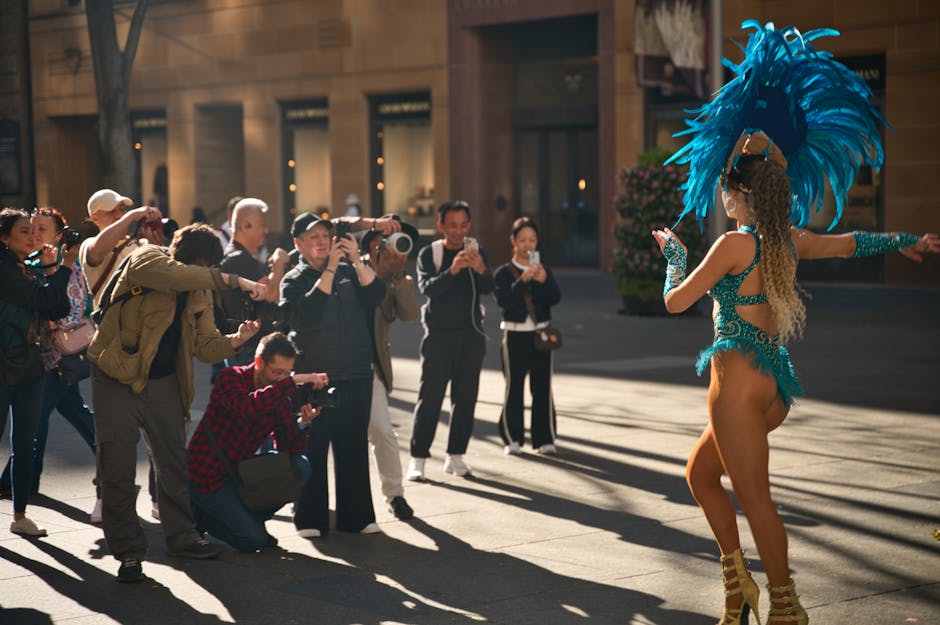
When you are managing a three-day summit, you need a cohesive visual narrative. You cannot have "Day 1" looking like a cinematic masterpiece and "Day 3" looking like a washed-out smartphone export. Achieving consistent colour and a unified editing style is not a luxury; it is a necessity for your brand integrity.
The Pitfall of Vague Deliverables
One of my biggest professional pet peeves is the "vague turnaround promise." If I hear a vendor say, "We’ll get benefit of hybrid photo video teams it to you when it’s ready," I immediately flag a risk. In a multi-day environment, you need structured milestones. Furthermore, if you are looking for Sydney corporate photography services, you need to be direct: Where are these files being edited? Who is touching them? If the answer involves a third-party, offshore editing house with an opaque "chain of control," walk away.
When media files are sent to unknown offshore contractors, your data privacy is at risk, and your aesthetic consistency dies. You lose the nuance of the brand guidelines you’ve spent months perfecting. For high-stakes government initiatives or corporate board meetings, you need in-house editing teams who understand the sensitivity of the room and the specific colour grading requirements of your brand.
Defining Your Media Strategy
Before the first keynote speaker takes the stage, we need to settle on your approach. Are you looking for strictly professional event photography, or do you need a more integrated hybrid photo and video approach (project-dependent)? Depending on your goals, the production requirements shift significantly.
The Comparison Matrix: Service Tiers
Service Best For Editing Focus Constraint Event Photography Awards, networking, headshots Skin tone matching, cropping Strictly on-site triage Event Videography Keynotes, highlight reels Colour grading, narrative flow Requires session metadata Hybrid Approach Integrated campaigns/Product launches Unified LUTs/Presets Complex schedulingWhy "Chain of Control" Matters
I have a running checklist for every shoot. It doesn’t just cover the VIP shots and group photos; it covers the file management lifecycle. If your event videography and highlight reels are being edited by someone who wasn't in the room, they won't understand the energy of the crowd. They won't know that the transition from the morning plenary to the afternoon breakout needed a high-energy pulse.

My requirement is always: No offshoring. When the editing happens in-house or with a dedicated local team, I can walk over to the workstation, check the colour profile on the monitor, and ensure the raw footage is secured. This is essential for maintaining a strict chain of control, especially when dealing with sensitive corporate or government content.
The 4-Step Process for Multi-Day Consistency
To ensure your multi-day event media looks like it came from a single source, follow this production framework:
Pre-Event Style Guide: Create a document that defines your preferred colour temperature, contrast, and black point. If you use a specific Adobe Lightroom preset or DaVinci Resolve LUT, provide it to the editing team before day one. Session Metadata: Every folder must be labeled by venue and session time. For example: ICC_Ballroom_0900_OpeningKeynote. This prevents the "mystery footage" scenario where editors spend hours guessing what session a specific clip belongs to. The "Look" Test: On the morning of day one, have the team produce a "hero" edit of the first hour. Review it immediately. If the colour isn't consistent with your brand, you have two days to fix it—not a week to regret it. The VIP/Group Checklist: Never leave headshots or stakeholder photos to chance. Ensure the photography team has a pre-approved list of VIPs and a designated spot for group photos to ensure consistent lighting setups throughout the event.The Importance of In-House Editing and Privacy
In our industry, data security is non-negotiable. When you utilize local Sydney corporate photography services, you ensure that the files aren't being uploaded to unsecured cloud servers halfway across the globe. You keep the intellectual property inside your own ecosystem.
Furthermore, an in-house editor who understands your tone—whether it's the professional gravitas of a government summit or the high-octane buzz of a product launch—will always provide better results than a generic, offshored agency. They understand that a keynote reaction shot isn't just a face in the crowd; it’s an indicator of engagement. If they miss that shot, they miss the story.
Avoiding Common Pitfalls
I am often asked, "What is the biggest mistake people make when hiring media teams?" The answer is simple: Overselling gear over outcomes.
A photographer showing up with a $10,000 lens kit is useless if they don't know how to sync their timecode with the AV feed. A videographer with a 6K camera is pointless if they don't understand how to edit a highlight reel that aligns with your key messaging. I would take a mid-range kit with a high-end, communicative professional over an "gear-head" any day.
Checklist for Your Next Producer Meeting
- Where will the files be edited and stored post-event? Can we see samples of your work from a previous multi-day conference? How do you handle colour grading to ensure consistency across different lighting conditions? Do you have an on-site workflow to share images/reels with our social media team in real-time? Are you utilizing local in-house talent for all post-production?
At the end of the day, your conference media is your primary asset for next year’s promotion. Don't let a lack of oversight turn your high-investment production into a disjointed mess. Insist on consistency, demand transparency, and keep your chain of control tight. That is how you deliver a world-class event.