If you have walked into a vet clinic in the last year and walked out feeling like your bank account has been hollowed out, you are not alone. As someone who spent nine years behind a veterinary reception desk, I’ve seen the transition from "family-run local business" to "corporate-owned profit center" firsthand. It’s a shift that has fundamentally changed the pet ownership experience—and the price tag attached to it.
Recent reports from the Competition and Markets Authority (CMA) have finally put some hard numbers to our collective anxiety. The investigation into the UK veterinary sector suggests that prices for pet care have risen significantly since 2016, with some estimates pinning the increase at around 63%. But is that figure accurate for every pet owner, and more importantly, what can you actually do to stop the bleeding?
Understanding the "63% Increase" Figure
The 63% figure, which stems from the recent CMA findings on the vet sector, isn’t just a random statistic. It reflects a cocktail of rising operational costs, increased specialisation in veterinary medicine, and—let’s be honest—the aggressive consolidation of local practices into large corporate groups. When independent clinics are bought out, the focus often shifts from "community care" to "profit per consultation."
In my nine years in practice, I saw the early stages of this. Practices that used to set their own prices based on the local demographic were suddenly receiving standardized "pricing structures" from head https://bizzmarkblog.com/whats-a-realistic-budget-for-dog-vet-bills-per-year-in-the-uk/ office. This is why you might notice that a routine vaccination or a simple dental scale-and-polish now carries a premium that feels detached from the inflation we see in other sectors.
The Reality of Corporate Ownership
One of the biggest issues is the lack of transparency. Many practices still operate under their original, beloved local names, even though they are owned by massive conglomerates. When you don't know you’re dealing with a corporate entity, you might assume their pricing is "market rate" for your area, when in reality, it is a high-margin rate dictated by shareholders.
The Hidden Profit Margin: Prescription Fees
If there is one thing that gets under my skin as a former receptionist, it is the markup on medication. When you walk https://stateofseo.com/does-keeping-a-dog-at-a-healthy-weight-really-cut-vet-costs/ out of a consultation, you are often handed a prescription. Many owners feel they *must* buy the medication from the vet right then and there. This is where the practice often makes a significant portion of its profit.
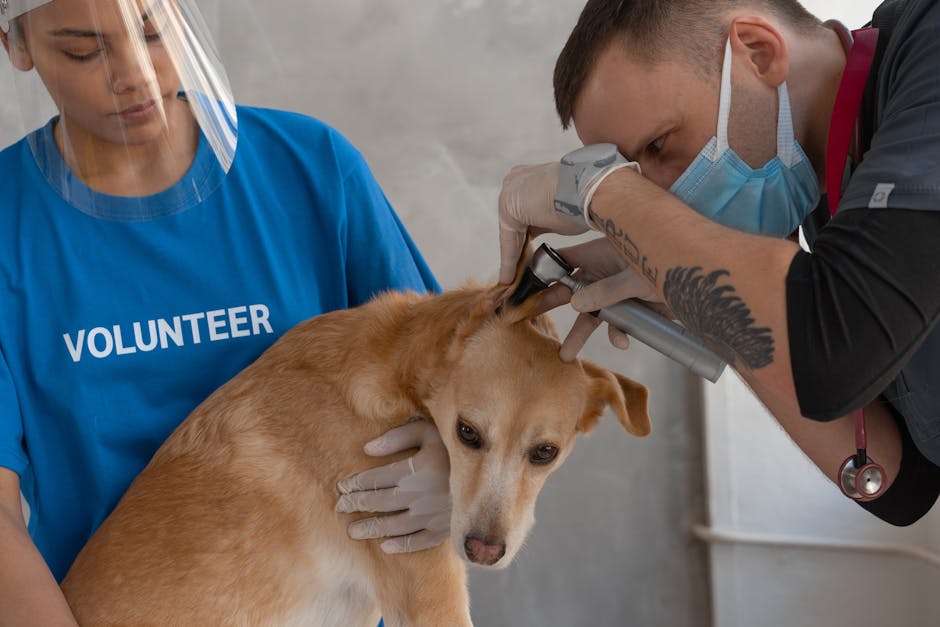
You have the legal right to ask for a written prescription and fill it elsewhere. Online pharmacies have completely changed the game, offering prices that are often 30–50% cheaper than in-clinic retail.
Comparison: In-Clinic vs. Online Pharmacy Prices (Estimated)
Medication Type Typical In-Clinic Price Online Pharmacy Price Chronic Arthritis Medication (per month) £65 - £80 £35 - £45 Flea/Worming (Premium Brand, 3 months) £45 - £60 £28 - £35 Heart Medication (per month) £30 - £45 £15 - £22If you are looking to save money, check sites like VetUK, Pet Drugs Online, and Animed Direct. Always compare these against the price your vet is quoting before you pay the invoice.
Insurance: The "Salesy" Trap
I’ve heard vets push specific insurance plans at the desk for years. While insurance is essential, be wary of practices that act as "introducers" for commission-heavy policies. You should choose an insurance provider based on the quality of their coverage and their payout history, not because your vet recommended them while you were paying your bill.
Tools like Perfect Pet Insurance allow you to compare policies independently, ensuring you aren't tied to a "preferred provider" that might be a bad deal for your specific breed or age of pet. Don't let your vet dictate your insurance; do your own homework on GOV.UK or independent comparison sites.
3-Step Action Plan to Manage Your Vet Costs
You don't have to accept every price you're quoted. Use this three-step action plan to regain control of your budget:
Request a Prescription: For any long-term or recurring medication, ask for a written prescription. Vets are required to provide this, though they may charge a small administrative fee (usually £10–£20). Even with that fee, you will likely save money over the year by buying through licensed online pharmacies. Demand Transparent Pricing: Before any procedure, ask for a written estimate. If you’re at a corporate-owned clinic, they often have standardized "treatment packages." Ask if there is a more cost-effective way to handle the care, or if a generic medication can be substituted for a branded one. Review Your Insurance Yearly: Never auto-renew your pet insurance without checking the market. Use a comparison tool to see if you are overpaying for your premium. Your pet's needs change as they age, and your policy should evolve with them.Questions to Ask at the Desk
As a former receptionist, I know that if you don't ask, you don't get. Keep these questions handy for your next appointment:
- "Is this practice owned by a corporate group or is it independent?" (They have to tell you if you ask). "What is the total cost of this treatment, including the consultation, drugs, and any potential follow-up appointments?" "Could you provide a written prescription for this medication so I can check competitive prices online?" "Is this a branded medication, and is there a cheaper generic alternative available?" "Are there any payment plans available if the total cost exceeds my budget?"
Final Thoughts
UK pet care costs are undeniably rising, and the 63% increase cited by the CMA is a wake-up call for pet owners everywhere. The days of "just signing the bill" without looking are over. By understanding your rights, shopping around for medications, and asking the right questions at the desk, you can protect both your pet’s health and your wallet.
Remember, your vet is providing a medical service, but you are the customer. Never feel guilty about asking for transparency. A good vet will respect a well-informed owner—and if they don't, it might be time to find a new clinic.